What is a Rental Lease Agreement?
A rental lease agreement is a lawfully binding file created for the property owner and renter when renting a residential or commercial property. It supplies clearness on the expectations and obligations of both celebrations throughout the rental period. The arrangement typically consists of the rent quantity, payment due dates, down payment quantity, length of tenancy, upkeep duties, rules, and terms.
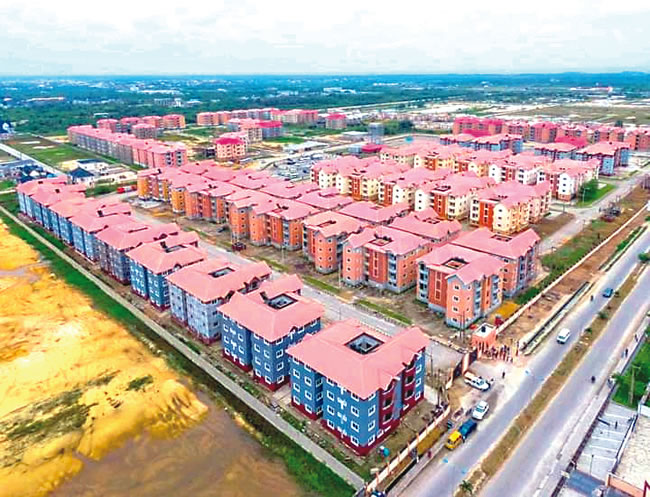
A rental lease contract is essential since it establishes a clear understanding in between the property manager and renter, detailing each celebration's obligations and rights during the rental period.
You can use a rental lease arrangement for various types of homes. Examples consist of:
- Apartment
- Condo
- Duplex
- House
- Townhouse

By signing a rental lease agreement, the landlord and occupant agree to comply with the conditions defined, promoting a better landlord-tenant relationship.
These files are likewise described as:

- Apartment leases
- House rental agreements
- Lease arrangements
- Lease types
- Rental agreements
- Rental agreements
- Rental tenancy arrangements
- Tenancy agreements
Who Needs a Rental Lease Agreement?
A rental lease arrangement is a vital document for various organizations and people, including:
- Homeowners trying to find tenants
- Tenants browsing for a living or commercial area to rent
- Individuals leasing their residential or commercial property to friend or family
- Landlords
- Tenant positioning services
- Residential or commercial property managers
- Small companies looking for a business setting

Anyone who wishes to rent a residential or commercial property, consisting of a home or space, industrial structure, or land, ought to utilize a rental lease contract. Failing to do so could result in:
- Lost rent money
- Liability for unlawful activities renters take part in on the residential or commercial property
- Penalties for unsettled utility expenses
- Costly residential or commercial property damage repairs
- Don't take any chances! Protect yourself and your renters by using a rental lease agreement.
Dolan W.
Bryan B.
Ryan D.
Benjamin G.
Essential Elements of a Rental Lease Agreement
Below are some essential terms for you to understand that must be consisted of in a rental lease agreement:
- Names and Contact Information: The rental lease agreement need to determine the proprietor, tenant, and any other residents and provide their contact details.
- Residential or commercial property Description: The rental lease contract should consist of a comprehensive description of the residential or commercial property, including its address, the kind of dwelling, the variety of bedrooms and restrooms, and any other relevant info.
- Rent Details: The lease arrangement must detail the rent amount, payment due date, and payment approach. It must also define any charges for late payments and bounced cheques.
- Security Deposit: The rental lease contract must detail the security deposit quantity and any conditions for its return or forfeit.
- Term of the Lease: The rental lease contract must define the length of the lease, consisting of the start and end dates.
- Maintenance Responsibilities: The rental lease arrangement must outline the obligations of both the property manager and tenant for the upkeep and repair work of the rental residential or commercial property.
- Rules and Regulations: The rental lease arrangement must establish any guidelines and policies the occupant should follow, such as pet policies, smoking cigarettes restrictions, noise regulations, and other pertinent details.
- Renewal and Termination: The rental lease agreement must detail the lease renewal and termination treatments, consisting of any notice requirements and charges for early termination.
Standard rental lease contracts often offer additional information beyond the basic conditions of the lease. A few of the information that might be consisted of are:
- Signing incentives or concessions that are offered to lure prospective tenants to lease, which may include free lease for a set time, discounts on the rental rate throughout of the lease, or improvements to the residential or commercial property such as new floor covering or devices.
- Information on whether there is an alternative to buy the residential or commercial property, which is in some cases called rent-to-own.
- Options for restoring the lease, which can be handy for tenants who desire to remain in the residential or commercial property for a prolonged duration of time.
- Details about the approaches offered for dispute resolution, such as arbitration or mediation, which can help to prevent or fix disputes between property managers and tenants.

Kinds Of Rental Lease Agreements
- Fixed-Term Lease: This kind of lease contract has a specific start and end date, and both the landlord and renter accept the length of the lease.
- Month-to-Month Lease: This lease arrangement does not have a particular end date and continues every month till the property manager or tenant offers the notice to end the lease.
- Sublease Agreement: This agreement occurs when an occupant leases a part or all of their rental residential or commercial property to another tenant.
- Roommate Agreement: This lease agreement is between two or more tenants who share a rental residential or commercial property. The agreement describes the terms and obligations of each roomie, consisting of lease payments, energy expenses, and other shared costs.
- Commercial Lease Agreement: This lease contract is for rental residential or commercial properties for organization functions, such as workplace area, retail area, or storage facilities. Commercial lease contracts typically have more intricate terms and conditions than property leases.
- Standard Residential Rental Lease Agreements: A legal contract between a proprietor and renter, defining terms of leasing a home.
- Room Rental Agreements: A legal agreement between a landlord and a renter for the rental of a room within a larger residential or commercial property, such as a home or house.
- Land Lease Agreements: An agreement between a landowner and a renter, allowing the tenant to utilize the land for a specified purpose in exchange for lease payments.
- Rent to Own Lease Agreements: A rental contract that includes a choice for the renter to purchase the residential or commercial property at a later date, with a part of the rent payments used towards the purchase price.
Key Considerations Before Signing a Rental Lease Agreement
Here is a breakdown of some vital things to think about before signing a rental lease agreement.
- Rent and Associated Costs: Review the rent quantity and associated costs such as utilities, parking fees, or upkeep expenditures to ensure you can manage the month-to-month payments.
- Lease Term: Review the lease term to ensure it lines up with your requirements and timeline. If you're unsure about your long-term plans, think about a month-to-month lease rather of a fixed-term lease.
- Maintenance Responsibilities: Understand the maintenance responsibilities outlined in the rental lease agreement and ensure you're comfortable with them. If there are any issues or questions, discuss them with the proprietor before signing the lease.
- Rules and Regulations: Review any rules and guidelines detailed in the rental lease agreement, such as pet policies or sound regulations, to guarantee you can comply.
- Down Payment: Understand the security deposit amount and any conditions for its return or forfeiture.
- Termination and Renewal Procedures: Review the termination and renewal treatments to ensure you understand the requirements for renewing or ending the lease.
- Landlord-Tenant Relationship: Consider the landlord-tenant relationship and how comfortable you feel dealing with the property owner. Ensure you understand their interaction style, schedule, and responsiveness to issues or concerns.
Key Terms for a Rental Lease Agreement
- Lease Term: This describes the period that the rental lease contract is in effect. It can be a set term (12 months) or a month-to-month arrangement.
- Rent: This describes the amount of money the occupant need to pay the proprietor for the right to inhabit the rental residential or commercial property. Rent is usually paid monthly, although it can sometimes be paid weekly or bi-weekly.
- Security Deposit: This is an amount of cash paid by the tenant at the beginning of the lease term to secure the landlord against damages or overdue lease.
- Maintenance and Repair: This refers to the obligation of the property manager and renter to maintain the rental residential or commercial property in good condition. The lease arrangement should specify which celebration is accountable for specific repair work and upkeep tasks, such as repairing appliances or keeping the landscaping.
- Termination Clause: This is an arrangement in the lease contract that outlines the scenarios under which the proprietor or the renter can liquify the lease before the end of the lease term. The termination provision may consist of notice requirements, penalties for early termination, and other crucial details.
Final Thoughts on a Rental Lease Agreement
A rental lease agreement is a contract that discusses the rights and responsibilities of both the property owner and the tenant and functions as an essential tool for the interests of both celebrations associated with a rental plan. However, the conditions connected with it can be complicated for individuals to understand. So, legal counsel is the very best option for all parties.
 <iframe width="640" height="360" src="//www.youtube.com/embed/zbGWlfO-J5Q" frameborder="0" allowfullscreen style="float:left;padding:10px 10px 10px 0px;border:0px;"></iframe>













 조회 : 64






